
LIMS

A Laboratory Information Management System (LIMS) streamlines data tracking, sample management, and workflow automation for efficient lab operations.

LIMS 10 Key Features Of Premier Lims Software - Healthray

10 Key Features of Premier LIMS Software

Quick Summary LIMS software is a flexible platform that adapts in changing circumstances and helps in multiplying laboratory profit. Moreover, this software has plenty of features such as virtual appointment system, laboratory data management, managed sample information, workflow management and … Read More

LIMS Best Laboratory Management System Software For Enhancing Lab Performance - Healthray

Best Laboratory Management System Software for Enhancing Lab Performance

Quick Summary Laboratory management system software is the automated platform that enhances performance and improves precision in lab data. Moreover, this makes it easy to share lab documents and test results in other lab departments to increase working speed and … Read More

LIMS Improving Lab Efficiency With The Cutting-edge Lims System - Healthray

Improving Lab Efficiency with the Cutting-edge LIMS System

Quick Summary Laboratory information management system is mainly to smooth lab operations.This innovation has a myriad of captivating features such as sample management, online lab documentation, inventory management, digital lab reports, and online invoicing system. Ultimately, LIMS System automates all … Read More

LIMS What Factors Should Be Considered When Selecting Pathology Lab Software

What factors should be considered when selecting Pathology Lab Software?

Quick Summary Pathology lab software designs after deeply observing the lab challenges. The major challenge was finding massive lab data and maintaining this data regularly. To overcome this trouble, it’s important to have pathology lab software in each laboratory. Moreover, … Read More

LIMS How To Choose The Right Laboratory Information Management System For Your Lab Needs

How to Choose the Right Laboratory Information Management System for Your Lab Needs?

Quick Summary A laboratory information management system manages lab operations effectively. It encompasses various types of management departments from data management department to sample management department. Moreover, it requires some steps for selecting the right LIMS software including, determining the … Read More

LIMS Presentation cover titled "What's Delaying Every Blood Sample?" featuring a laboratory professional holding a blood sample tube in a modern diagnostic lab with digital workflow graphics

One Blood Sample, 8 LIMS Modules: The Real Workflow

A lab management information system (LIMS) manages the full life cycle of patient samples. If you do not know what this kind of software does, the list of features provided by any LIMS vendor on their websites will not explain … Read More

LIMS Laboratory Information Management Systems

Laboratory Information Management Systems: Benefits & More

Summary Laboratory Information Management Systems (LIMS) revolutionize lab operations and investigations. They provide streamlined information organization and data management. LIMS also offers upgraded compliance, improved efficiency, precise tracking, quality control assessment, enhanced collaboration, automated workflows, and intelligent analytics. Introduction Over … Read More

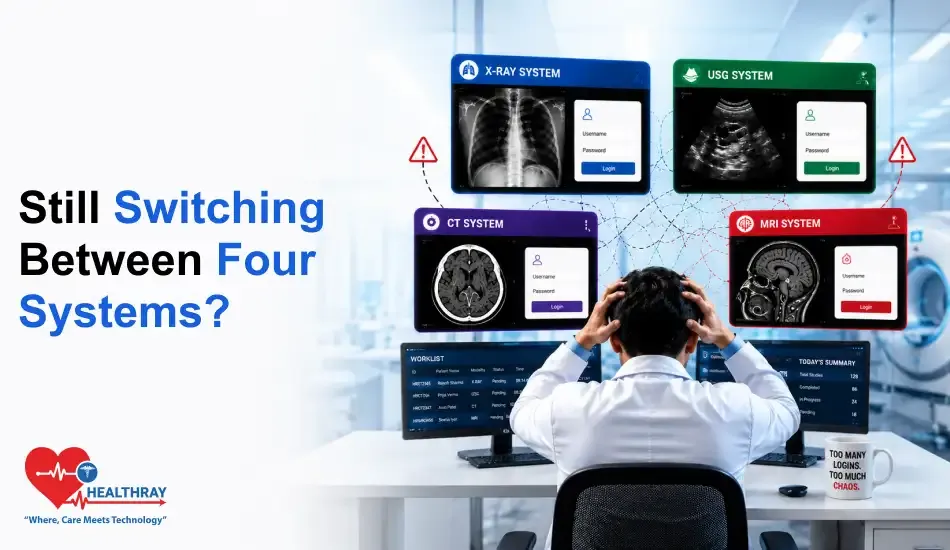
LIMS Unified radiology workflow software integrating X-ray, CT, MRI, and ultrasound systems into a single diagnostic imaging platform.

Manage X-Ray, USG, CT, and MRI on One Login with a Radiology Information System 

A radiology information system (RIS) is a software system used to manage, exchange, and store data in radiology departments (RDs) and standalone imaging centers. It connects patient registration, scheduling, DICOM imaging, reporting, and billing for X-ray, USG, CT, MRI, and … Read More

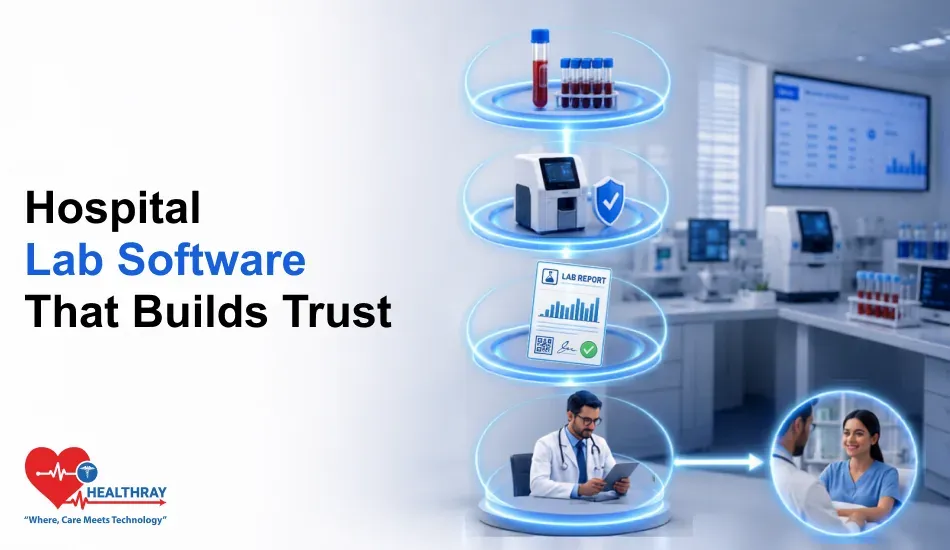
LIMS Hospital lab software streamlines sample processing, laboratory validation, and report delivery to improve accuracy, efficiency, and doctor trust.

How LIMS Saves Hospital Doctor Trust

Most laboratory errors happen before a sample is even tested, making the pre-analytical phase the biggest risk to diagnostic accuracy. According to research published by the National Institutes of Health (NIH), around 60%-70% of laboratory errors occur during this stage. … Read More