



Summary
Late or mismanaged appointments are not just inconvenient. It slows down the diagnosis, disappoints the patients, and breaks their trust. Also, it quietly reduces the clinics’ revenue in India and the USA. The majority of healthcare facilities don’t take it as a serious concern. In the end, lost patients and referrals, additional calls, and double bookings appear to be the problem. In this blog, I will discuss how to select the medical scheduling and appointment tools and how they help clinics reduce missed appointments and waiting time and minimize the hectic workloads of manual calls. Let’s begin!!!
Introduction
Scheduling problems gradually arise in every clinic and healthcare facility. Patients sometimes have to wait a long time due to a backlog of appointments and overbooking. Clinics frequently experience delays as a result of staff members failing to complete manual entries, and other times staff fails to track workload in real time. Eventually these small issues become big troubles for clinics, resulting in operational breakdown and hitting both patient care and revenue. Further, the problem becomes more serious when scheduling tools get replaced with outdated tools.
Many healthcare facilities in India and the USA are still making use of Excel spreadsheets, manual notes, and unorganized processes. This results in zero visibility, poor coordination, and doctors’ time being wasted. In these stressful scenarios, the doctor appointment system can bring back your clinic’s sanity. Digital medical scheduling and appointment tools centralize calendars and automatically manage slots and eliminate confusion, which is the core reason for patient dissatisfaction. Next we will see what points hospitals should keep in mind while selecting the best scheduling tools. These digital appointment tools create a powerful impact in your medical practices and help you build a safe environment. Keep reading!!!!
Why Scheduling Tools Matter for Clinics
Let’s check out:
When an appointment seems simple but the problem is hidden
The clinic manager often thinks appointment booking is routine work picking calls and booking slots, sending emails, asking for confirmation, etc. Further, they think their work is over now. However, the ground reality is entirely different. Long calls, repeated rescheduling, and unclear availability lead to the patients’ discontent. Moreover, the issue seems small, but it directly impacts patient satisfaction.
Patients Want Convenience, Not Calling Loops
Nowadays, patients want digital-first and fast services. Further, they want to book appointments through their smartphones from any location. In other words, they want extraordinary convenience. When patients fail to get self-service booking, this results in unnecessary waiting, back-and-forth calls, and missed slots. This is a never-ending cycle that culminates in burnout. Automated appointment reminders for doctors remove this inconvenience by giving 24/7 online self-booking and real-time availability.
Bad Scheduling Hurts Daily Operations
As we know, clinic workflow starts getting disrupted gradually. Sometimes doctors sit idle; sometimes they deal with overbooking and sometimes they have to wait long for their patients. Further, there is no consistency in the system. These micro-delays accumulate throughout the day and directly hit the providers’ effectiveness. However, the scheduling system eliminates this hidden gap and helps professionals serve more patients in a day.
Smarter Scheduling = Stronger Revenue Cycle
Integrated tools are not just limited to managing slots. Further, Doctor consultation booking system checks eligibility, pre-visit forms, and automated confirmations. It dramatically reduces billing errors, last-minute denials, and rework. Ultimately, clinic revenue cycles become steady and more viable.
Why It Truly Matters
Scheduling delay is not a negligence of the staff. This is the cause of the system limitation. Further, smart scheduling tools make the workflow intelligent and provide relief to patients and provide predictable and smooth days to providers.
 PRO TIP
Advanced Features Worth Considering

High-volume clinics, multi-specialty centers, and hospital OPDs face a common challenge. Further, basic scheduling tools can easily handle routine tasks but fail to optimize the throughput. In this case, advanced features can transform the normal tool into a long-term strategic solution. Let’s find out:
Smart Waitlist: Every Slot Should Count
Appointment cancellation is an inevitable part of the healthcare journey. However, being idle is not acceptable. Further, Smart waitlist with auto-fill cancellation instantly fills the spot. It enhances the clinic’s utilization, and patients get booking slots right away, without any confusion or delays.
Deep Custom Rules: Because One Size Never Fits All
Every healthcare provider functions differently. Specialty, visit type, insurance, and even preferred timings vary as per the clinic’s scope. Further, doctor appointment system pricing are affordable and allow customizable scheduling rules that minimize booking errors and workflows are conducted according to actual clinical requirements.
Digital Intake & E-Check-In: Less Front-Desk Load and More Speed.
Manual forms, repeated questions, and paperwork at the front desk create bottlenecks in workflows. Furthermore, Integrated digital intake forms and e-check-in simplify the entire process. This makes the patient flow smooth and saves considerable time for the staff.
Telehealth-Ready Schedules: Hybrid Care Without Confusion
These days, telehealth has become common, but scheduling concerns still exist. Furthermore, advanced medical scheduling and appointment tools provide telehealth links, reminders, and visit configurations directly to the schedule, thereby minimizing the confusion between physical and virtual visits.
Role-Based Access: Clear Control, Zero Chaos
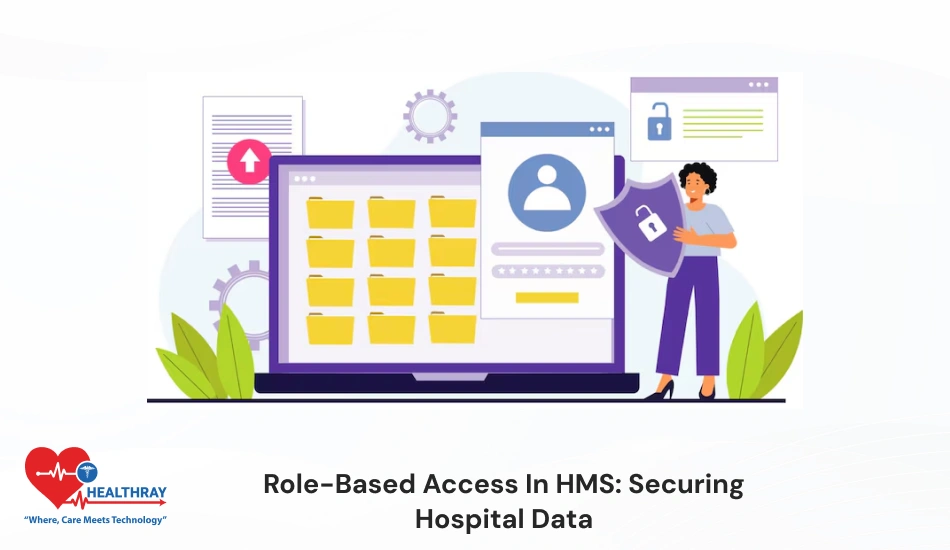
As we know doctors, reception, billing, and management team work needs vary. Furthermore, role-based access control ensures team members can view and edit data that they need in their workflows. The system provides access only to assigned tasks. This keeps the system secure and maintains discipline in the procedure.
 NOTE
NOTE
Evaluation Criteria: How to Choose
While selecting a medical scheduling and appointment tool, clinics get captivated by marketing claims or fancy features. The primary reason for the issue is that clinics failed to notice real operational issues that are concealed in the background. Tools appear good but do not address the real need of clinics. The best way to avoid this confusion is to have clear evaluation criteria. Let’s check out:
Translate Problems Into Criteria
If clinics are facing challenges with no-shows, manual work, or integration issues, then clinics should select criteria based on these challenges. Additionally, “nice-to-have” features are automatically eliminated when evaluation is pain-driven, leaving only features that enhance clinic workflows.
Specialty & Volume Fit: One Size Never Works
Every clinic has different functions. Furthermore, check the following when evaluating vendors:
- Do medical scheduling and appointment tools efficiently handle specialty workflows?
- Do they support visit-type rules?
- Are they able to sustain a high patient volume load?
If your answer is no, then the tool is not sustainable for the long term.
Step towards digital era with our healthcare solution
Revamp your hospital facilities and embrace change for better healthcare management. Ease in managing and organizing large medical datasets leads to effective analysis. Seize the opportunity now!
Ease of Use
A good software is one that seems natural and intuitive to every user. Evaluate the following:
- Is it quick for receptions?
- Is your tool uncluttered for doctors?
- Can patients book an appointment from smart devices?
Adoption is only feasible if real users find the system to be intuitive.
Integration Depth: Not Surface-Level, True Sync
Most medical scheduling and appointment tools claims integration but the real depth is still not present. Check the following:
- Is your EHR data truly synced?
- Is billing & eligibility working smoothly?
- Does Communication tools (SMS, WhatsApp, and email) function flawlessly?
Your clinics will continue to rely on manual labor if system integration is shallow.
Analytics That Actually Help Management
Reports may look extravagant but do they help your clinics in improving decision-making? Evaluate the following:
- No-show trends
- Provider usage
- Peak hour loads
- Revenue cycle measurements
A good analytics help management make concrete decisions and boost their effectiveness to get fruitful outcomes.
Vendor Reliability & Support: Underrated but Critical
Healthcare sectors can’t tolerate downtime. Verify the following:
- How’s the vendor’s reputation?
- Do they provide fast support?
- Is the implementation timeline realistic?
Always make sure that a reliable and reputable vendor will guarantee smooth onboarding and minimal disruption.
Why Clear Criteria Matter
A well-defined evaluation framework guarantees that your final choice should be practical, scalable, and a long-term fit. Further, clinics should not choose features; they should prioritize solutions, and this drives true efficacy.
Implementation and Change Management
The majority of clinics choose a robust scheduling tool, but the rollout is happening so quickly that the outcomes don’t seem impressive. Furthermore, the problem is not about software; it’s about change management. Moreover, if implementation is not properly structured, clinics will never be able to determine the system’s potential.
Involving Stakeholders Early is Non-Negotiable
It is highly imperative to collect inputs from administrators, reception staff, and clinicians while setting up scheduling rules, visit types, and templates. Further, a clinic’s daily workflow is the backbone of software. If their needs are not captured, then tools get mismatched with practical ground realities.
Phased Rollout Works Better Than Big-Bang Launch
It is highly unsafe to shift the clinics to advanced platforms in one day. Instead of shifting the entire clinic to advanced software in one day, clinics should do the following:
- Start from the pilot department.
- Document SOPs properly.
- Conduct short but effective training sessions.
- Simple internal guides and videos boost the confidence of staff.
Overall, controlled rollout creates less disruption and makes the adoption simple, smooth and without interruption.
Tracking Real-Time Metrics is the Secret Sauce
After implementation of the new system, ongoing monitoring is also indispensable. Furthermore, clinics should regularly monitor:
- No-show rate
- Average wait time
- Daily appointment volume
- Provider utilization
These metrics help clinics determine if tools are accurately working or if further adjustments are needed.
Conclusion
Medical scheduling tools assist clinics in reducing no-shows, keeping the calendar organized, and providing patients with a self-service booking experience. Choosing the right tool is not just limited to online booking; instead, you should check workflow fit, integrations, automation capabilities, and long-term ROI and it should align perfectly with your clinical needs.