



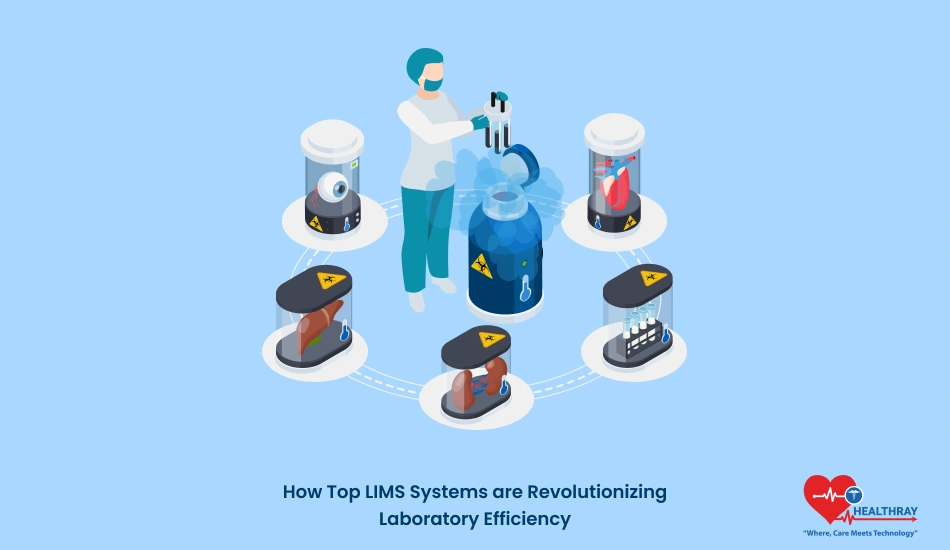
Laboratories nowadays are operating under severe pressures to provide quicker, more accurate results, while following stringent regulations and dealing with ever-increasing data volumes. Hence, this is where the Laboratory Information Management System (LIMS) is hailed as the ultimate solution.
LIMS at the very core are systems that have been designed for the purpose of optimizing laboratory work by better automating routine tasks, improving the management of data, and creating better compliance. But with so many options available, how will one know which one is right for one’s own lab? This guide delves into the top LIMS systems, how these are revolutionizing efficiencies in the lab environment, and how professionals like you can make informed decisions.
From the operation of workflows to productivity optimization, there is much more that one ought to know about these systems that are revolutionizing laboratory operations as they are today. Read on to see what the best choices are and discover why a LIMS is a must-have tool for modern labs.
Understanding LIMS: A Game-Changer for Modern Labs
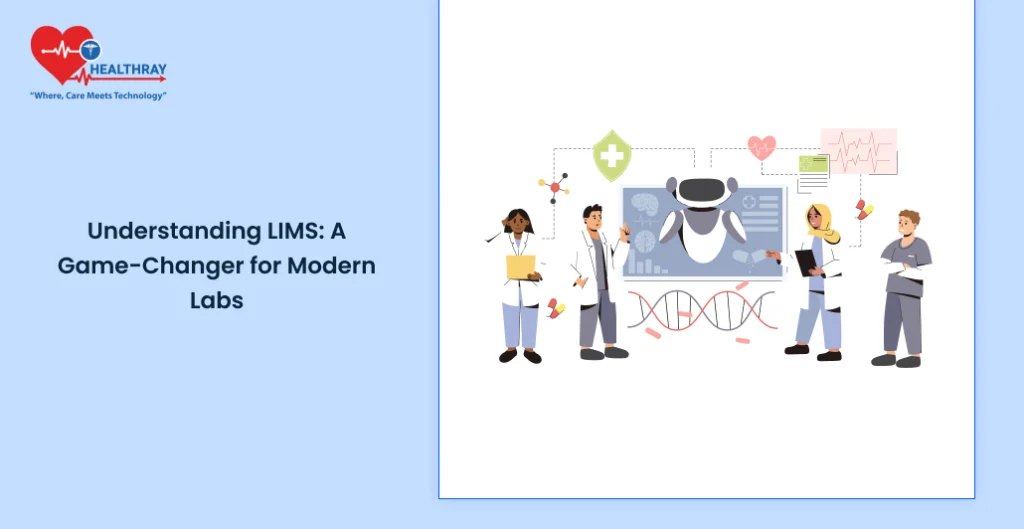
Understanding Limas: game changer for upcoming age labs – Healthray
Laboratory Information Management System (LIMS) is the application of specific software, which can be constructed to help the.. LIMS record all those operations of work within the lab from handling samples up to data storage with reports made there.
What Is A LIMS?
A LIMS is a digital solution that is versatile, designed to handle everything from the tracking of specimens to workflow management and the storage and reporting of data. Thus, it centralizes laboratory operations, ensuring all data is accurate and easily traceable and organized. Whether research lab, diagnostics facility, or industrial testing laboratory, complicated tasks are simplified and operations remain smooth with a LIMS.
Key Benefits of Using LIMS
- Better Data Management: No more spreadsheets and paper records; lab data is now stored and accessed in a secure, centralized database.
- Increased Accuracy: Automated repetitive tasks return and assure results regardless of human error.
- Regulatory Compliance: These are most of LIMS’s selling points: All LIMS solutions are built for industry standards compliance, which makes compliance easier with requirements, such as ISO 17025, CLIA, or FDA.
- Streamlined Workflow: Sample Registration is followed up all the way to reporting results in LIMS. These systems save time and avoid pushing effort through manual means.
- Scalability:LIMS is modernized to grow with your lab in coincidence with increasing sample volumes or addition of new methodologies for testing.
Why Are LIMS Important in Modern Labs?
Lab Operations indeed have become more complex and, therefore, require smarter solutions. Nowadays labs are expected to conduct faster turnaround times with high-quality standards. Increased efficiency is provided by LIMS, as well as real-time insights into better decisions. It is an important tool for lab managers, researchers, and IT decision-makers to align the operations with their strategy.
Best LIMS Systems Overview
Selecting the right Laboratory Information Management System (LIMS) is vital in promoting lab efficiency and securing consistent results. Let us decipher three top LIMS vendors contending for recognition in the industry:
Healthray Technologies
Healthray Technologies aims to ensure laboratory effectiveness with its avant-garde LIMS solutions. Their system is designed for easy adaptation across many sectors, offering:
- Streamlined Data Management: A centralized platform for tracking samples and allowing real-time report generation.
- Customizable Features: Tailored solutions to match clinical, research, and industrial laboratories’ unique needs.
- Regulatory Compliance: Tools to adhere to industry standards such as ISO and FDA requirements.
EMRSoftware.Ai
EMRSoftware.Ai has made its LIMS famous for using AI to leverage modern-day lab workflows. Features mature:
- AI-Insights: Providing predictive analytics to help labs anticipate operational bottlenecks and improve their processes.
- User-Friendly Interface: Simple yet powerful interface that helps lessen the learning curve for your lab staff.
- Scalability: Solutions are built to grow with the laboratories, be it small working setups or large-scale operations.
Bigscal Technologies
Bigscal Technologies shine through with its adaptability and innovation; its LIMS solutions allow:
- Cross-Platform Integration: Full compatibility with existing lab software and hardware for seamless operations.
- Reporting Tools Par Excellence: Equipped with advanced analytics and reporting features to offer actionable insights.
- Supportive: Supports you with comprehensive onboarding and customer service for smooth transitioning.
The coming of innovative solutions in LIMS is represented by these companies. Each LIMS has unique features to meet a specific laboratory need, ensuring that laboratories large and small can find a good fit for their goals.
Comparative Analysis: Picking The Right LIMS For Your Lab
Choosing the ideal Laboratory Information Management System (LIMS) can prove quite difficult, given that there are many other good choices available. To help in streamlining the whole exercise of making a decision, we compare Healthray Technologies, EMRSoftware.Ai, and Bigscal Technologies along certain determining criteria.
Features and Functionality
- Healthray Technologies: Provides a feature-rich platform with customizable modules best suited for clinical, research and industrial purposes. Highlights include the capabilities for real-time sample tracking and regulatory compliance.
- EMRSoftware.Ai: AI application in work for enhanced lab productivity. More features include predictive analytics and user-friendly interfaces for ease of usage.
- Bigscal Technologies: Known for cross-platform integration, advanced reporting, and adaptable configurations. Best suited for labs having diverse workflows and legacy systems.
Ease of Use
- Healthray Technologies: A little difficult but has many support resources available for onboarding as the system is rich with features.
- EMRSoftware.Ai: Made for easy use and thus suits labs new to LIMS.
- Bigscal Technologies: Has medium learning requirements and copious documentation to assist.
Scalability
- Healthray Technologies: Very scalable, applicable to growing labs looking for a long-term solution.
- EMRSoftware.Ai: Excellent for small to medium labs that plan to grow gradually.
- Bigscal Technologies: Very scalable, from little jobs to support enterprise laboratories.
Cost and ROI
- Healthray Technologies: Premium prices justify the rich features and customization to the specification of the industry.
- EMRSoftware.Ai: Its lower pricing tiers make it feasible for smaller labs while sustaining a strong performance.
- Bigscal Technologies: Competitive pricing aimed squarely at the value point in terms of efficiency and adaptability.
Industry Suitability
- Healthray Technologies: Clinical and regulatory-heavy environments, such as healthcare and biotech, make for an ideal fit.
- EMRSoftware.Ai: Dubbed as the right fit for research-oriented labs that want to incorporate AI insights.
- Bigscal Technologies: A flexible option for industrial and cross-disciplinary labs.
This evaluation shows the strengths of every company and can help bring you close to the perfect match for your particular requisites.
How LIMS Systems Are Transforming Laboratory Efficiency

A laboratory is a complex ecosystem with many seemingly conflicting processes to manage: sample management, data analysis, compliance, and reporting. While the old techniques fail to fill the gap created by modern needs, they enhance inefficiency and errors. Enter the LIMS systems from Healthray Technologies or EMRSoftware.Ai or Bigscal Technologies to transform laboratory functioning.
Automating Repetitive Tasks
Manual operations tend to be laborious, exposing a high risk of errors. Repetitive tasks performed by LIMS systems include:
- Sample registration and tracking.
- Data entry and validation.
- Report generation and certification of analysis.
All this saves precious time and ensures consistency and errors’ negation, engaging lab personnel in focusing on core activities instead.
Increases Data Accuracy and Availability
With the very sizable amounts of data generated in labs, the essence of managing it well is paramount. Some of the utilities offered by LIMS are:
- Open data storage, surplus to silos.
- Information real-time for those that have access.
- Approval of integration of the instruments in the LIMS to capture data automatically, thus minimizing manual errors. Consequently, improvements in decision-making and a huge decline in discrepancies.
Keeping Track of Regulatory Compliance
Some of the more daunting industry regulations include ISO 17025 or FDA definitions. LIMS helps you comply with:
- Audit trails commence and complete.
- Working in a standardized way.
- Making data available for handling in accordance with regulations. This reduces the penalty risk, and the confidence in lab results is boosted during audits.
Facilitate Better Management of Resources
LIMS tracks and manages resources: from inventory to maintenance schedule for organs. This serves the labs in:
- Preventing depletion of operationally critical supplies.
- Timely maintenance of the resources.
- To analyze the lab efficiencies for improvement.
Collaboration Improved
In these contemporary times, laboratories are not limited by geographic locations and are multidisciplinary in nature. They enable collaboration by:
- Creating a means of sharing data and reports.
- Supporting the use of cloud platforms for working remotely.
- Integration with other software, such as ELNs (Electronic Laboratory Notebooks) or ERP systems.
Allowing For Scale
As laboratories expand, the workflows begin to grow exponentially more complex. LIMS systems are designed to allow scaling without practically any trouble, ensuring that:
- Quick integration of new instruments and processes;
- Management of data with increasing sample volume;
- Unfettered collaboration of ever-growing teams.
Real-World Impacts
Lab automation on the Healthray Technologies LIMS could result in a 30% reduction of reporting time in various activities like sample tracking and data compilation. Likewise, the EMRSoftware.Ai AI-driven insights could help out the research lab in identifying workflow optimizations that reduce the turnaround time for critical experiments. Integration is another labor-saver: Bigscal Technologies could end up saving industrial labs hours of manual data transfer between systems.
With these issues countered, the LIMS systems are indeed turning labs into efficient, compliant, and future-proof establishments.
Key Considerations for Choosing the Right LIMS
While selecting an appropriate LIMS system requires detailed evaluation as every lab has quite distinct needs, one cannot claim that one LIMS fits all. Here are the major considerations one should keep in mind as one decides on the right choice.
Lab Size and Type
- Have a way to ascertain if the LIMS solution is scalable for your lab?
- Look for how appropriate it is for your particular laboratory type: clinical, research, industrial, or biotech.
For example, Healthray Technologies could be great for a biotech lab with heavy compliance requirements, while a small research lab might find the AI-assisted platform of EMRSoftware.Ai much friendlier.
Compatibility
- The very first thing is that LIMS should integrate seamlessly with laboratory instruments, software, and workflows.
- Check for compatibility with ERP systems, ELNs, or other platforms.
Suggestion: Bigscal Technologies has truly excelled in integration and is best suited for labs with a varied systems approach.
User Experience
- Examine the interface in terms of ease of use and intuitiveness.
- Do lab personnel require training or can they pick it up in a snap?
Recommendation: On a more favorable note, the design of EMRSoftware.Ai could be easy and friendly for labs with less technical resource.
Regulatory Compliance
- Is the LIMS compliant with ISO 17025, FDA 21 CFR Part 11, or HIPAA?
- Is there any mention of audit trails or electronic signature facilities and secure data management?
Recommendation: Given its strong regulatory tool kit, Healthray Technologies is a serious contender for all regulated environments.
Customization and Flexibility
- Check: Can your lab workflows be customized on the LIMS?
- How easy is it to add or remove modules as needs change?
Cost and Budget
- Assess TCO, including set-up, deep licensing, and maintenance charges.
- Compare various tiers and scalability options for long-term sustenance.
E.g., EMRSoftware.Ai is priced lower than Bigscal Technologies, the latter being value for money for bigger labs.
Customer Support and Training
- Does customer support cover onboarding and ongoing support and training?
- If your lab is round the clock, is support available 24/7?
Scalability and Future-ready
- Select a LIMS with the scalability to advance higher sample volumes, new technologies, or expanding sites along with your lab.
Feedback and Review
- Testimonials or case studies must be sought from labs with similar needs.
- A demo or trial would give you a taste of the system before committing a long-term partnership.
Conclusion
Now that laboratories face the relentless pressure of increasing demands towards precision, speed, and compliance, an efficient management system is very imperative. The right Laboratory Information Management System (LIMS) has the capacity to change the operations of a laboratory through workflow automation, besides ensuring data accuracy and compliance.
Innovative scalable solutions are developed mainly by providers like Healthray Technologies, EMRSoftware.Ai, and Bigscal Technologies to meet the needs of clinical, research, and industrial laboratories. Understanding your laboratory’s requirements and then weighing the options will provide sound choice decisions in enhancing efficiency, reducing errors, and preparing the lab for future growth.
An efficiently implemented LIMS stands for all kinds of applications, from a small research facility to the biggest industrial installation, as it prepares your laboratory for its future success and sustainability beyond mere utility.