




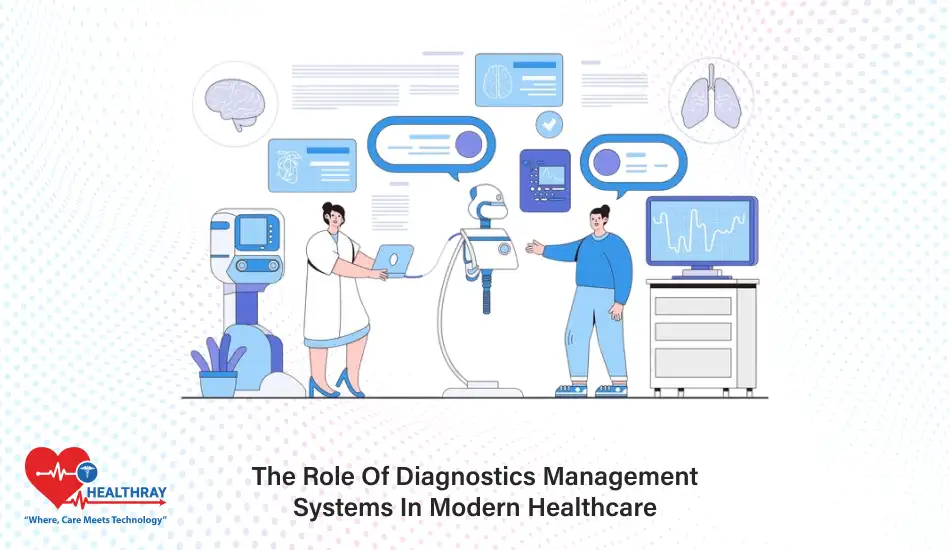
Diagnostic management systems currently report the signs of becoming the backbone of modern patient care in hospitals. The hospital management system ensures that life-critical information is there at the right time to guide reasonable diagnosis and effective treatments. They redefine the way care is rendered-from streamlining lab operations to integration with hospital workflows.
What, then, are these systems, and why are they so important today?
Not just software solutions, diagnostic management systems are as well enablers for precision medicine, patient-centered care, and operational excellence. The post will highlight how these systems transform healthcare, the challenges faced in their adoption, and possible future trends.
More Efficient Delivery of Healthcare
Revolutionizing healthcare delivery transforms the structures and processes of medical diagnostics into something smoother and more precise. All diagnostic management systems enable very efficient management within healthcare facilities of their massive amounts of patient data, test results, and reporting. Gone are the days when lab results were being manually processed; nowadays, the trend is towards automation and integration.
Streamlined Diagnostic Workflows
One very big advantage is automating and simplifying workflows. Ordering tests, managing specimens, delivering the result, every step is precise and efficient with these systems. This actually reduces human error and speeds up the process of diagnosis, thus much faster decision-making for patient care.
Improved accuracy and reliability
Mistakes in human data entry or missed test results can delay treatment or misdiagnosis. Therefore, they standardize the procedure and use algorithms to crosscheck results while minimizing such exposure to risks, and then trust that the clinicians are given the best possible information to give the best possible care.
Improving Patient Outcomes
Timely and accurate diagnoses can be lifesaving. Not only operational efficiency is increasing with these systems but also overall improved patient outcomes. The absence of actionable insights and delays will allow early and with more confidence healthcare providers to commence the treatment.
Technological Integration: Where Diagnostics Meets Innovation
At the heart of any diagnostic management system is technology that closely connects with the modern, complex framework of healthcare today: from artificial intelligence to interoperability with its electronic health records (EHRs). This is how it is changing the face of diagnostics as performed and used.
Role of Artificial Intelligence (AI)
AI powered diagnostic management systems are currently no more a future tale; they are already in place. AI algorithms analyze big data sets, identify patterns, and render insights for sharper diagnoses. For example, machine learning models are trained to flag anomalies detected in imaging scans from patient data or suggest possible diagnoses. This lessens the burden on healthcare professionals but fails to ensure any detail goes unattended.
Interoperability with EHRs
The modern diagnostic systems are now ready to offer a package for an integrated electronic health record platform for patient care. Through this, all test results, patient histories, and treatment plans are linked together in real-time, providing a comprehensive view of each case for the healthcare provider. This in itself prevents duplication of effort, boosts communication, and accelerates decision-making features of the systems.
Advanced Data Analytics
Beyond diagnostics, these systems use data analytics to provide trends and projections. For example, it might find patterns in disease outbreaks and track treatment success rates to figure out resource needs. Such projections would come in handy in enabling healthcare administrators to make sensible decisions. This would improve efficiency and boost patient outcomes.
The Remote and Point-of-Care Diagnostics
Real-time test performance in remote locales or at patients’ bedsides becomes possible due to portable diagnostic devices linked to central systems. This is incredibly relevant for chronic treatment or emergencies.
Implementation Strategies: How To Make Diagnostic Control System Work
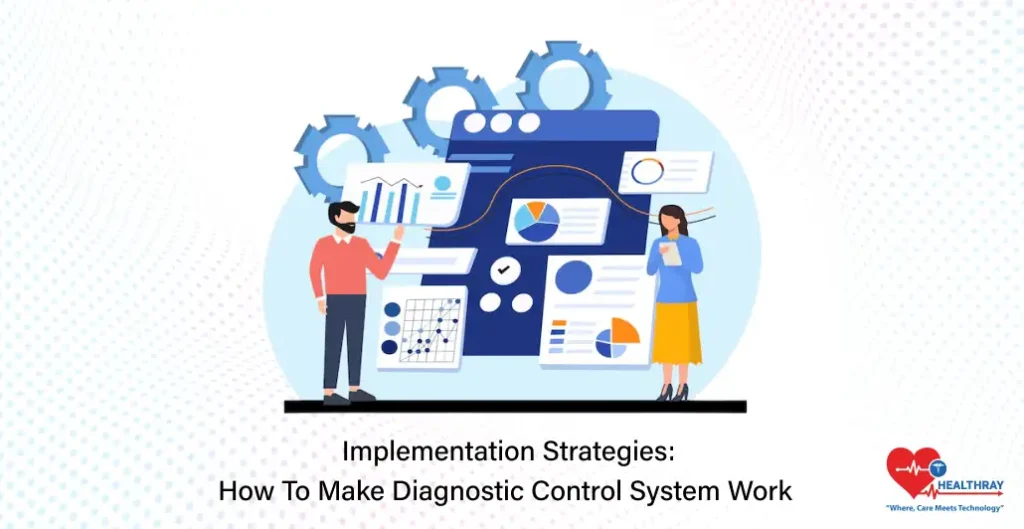
The planning and implementation of diagnostic management systems require meticulous work. Going beyond the simplistic proposition that software installation is sufficient for a successful rollout, it takes teamwork, training, and speculation into the particular requirements of a healthcare organization to effect the change.
Assess Needs and Set Targets
Every healthcare facility is unique in its requirements. The first step in implementation is conducting a proper needs assessment. What are the current flow problems? How will a diagnostic management system help solve these problems? These clear goals, such as reducing turnaround times or increasing accuracy, will guide the implementation process.
Customize the System
Off-the-shelf is seldom all that a facility needs. Customizing integrates the system smoothly into existing workflows and tools-particularly laboratory equipment and electronic health records. Tailoring those features: reporting formats, alerts, and dashboards-makes the system user-friendly and effective.
Staff Training and Support
Any system’s effectiveness relies on its users. Training must be all-encompassing with the medical staff, laboratory technicians, and IT professionals. Training seminars should include both the technical skills required to use the system and an understanding of how the average day of these professionals will be changed by the use of the system. Furthermore, there is a scenario of sustained support so that any problems would be cleared as soon as possible to avoid such matters from getting worse.
Gradual Implementation Phases
Phased rollout allows for smoother transitions. Beginning with a pilot program in a lab or area within the institution helps to identify challenges without overwhelming the rest of the system. Lessons learned from the pilot can then be applied during broader implementation.
Monitoring and Optimization
Even after system implementation, the job is only half done. Continuous monitoring can bring to the fore issues that require improvement. Obtaining feedback from the users will help ensure that the system keeps changing with the needs of the facility.
Challenges and Solutions: Breaking down Barriers to Adoption
While the paradigm shift brought about by the diagnostic management systems is exciting, some major obstacles come along with it. Recognizing these factors and addressing them proactively paves the way for an easy and fruitful implementation process.
High Initial Costs
Setting up and acquiring a diagnostic management system costs heavy bucks, especially for small-sized healthcare facilities. The cost of software procurement, hardware upgrading, and staff training accumulates quickly.
Solution: A phased installation should be introduced, rendering the ability to absorb costs over time. Government grants, subsidies, or partnerships with technology providers could ease the expenditure’s burden.
Resistance to Change
Healthcare professionals used to working via traditional workflows tend to be stubborn in accepting new systems. This obstinacy arises because of a lack of technological competence or skepticism regarding the good it would do for them.
Solution: It is important to involve the staff in the selection from a very early stage and consistently throughout the process. Giving positive examples and providing robust training will relieve their worries and strengthen their belief in the system.
Data Security and Privacy Concerns
Sensitive patient data demand the highest security measures for their safeguarding. Risks of data breaches or failing to comply with regulations, such as HIPAA, are of utmost concern.
Solution: A diagnostic management system should have data encryption, user authentication, and compliance with all aspects of the healthcare law. Security audits should also be carried out regularly and updated to protect patient information.
Integration with Existing Systems
A considerable number of healthcare facilities are already running multiple software solutions. It is a challenge for the new system to work in tandem and seamlessly integrate with the existing ones such as the EHRs.
Solution: A system designed with interoperability in mind minimizes integration issues. Consulting with IT professionals would ensure smooth data transfer across the different platforms.
Ongoing Maintenance and Updates
Maintaining functionality and compliance requires routine updates to diagnostic systems. Not doing so can eventually lead to inefficiency or vulnerability.
Solution: Having a set maintenance schedule with a chosen, dependable vendor will keep the system current and operating smoothly. Training IT staff on upkeep will also minimize downtime.
Scaling for Future Needs
Healthcare demands are in a constant state of flux, so what serves the purpose now may not be sufficient tomorrow.
Solution: Future-proofing through scalable solutions that grow with demand will ensure that they can withstand deletion in the long run. Routine checks of the system must be aided by periodic comprehensive assessments of capacity and features to address future challenges on time.
Future Trends : The New Frontier for Diagnostic Management Systems
The landscape of diagnostic management systems is constantly changing due to technological advances and the rising needs of contemporary healthcare. The future has exciting developments in store for enhancing yet further the role played by diagnostic management systems in advancing patient care and healthcare delivery.
AI-Driven Diagnostics
The role of artificial intelligence will remain paramount. AI-powered predictive analytics will help healthcare providers anticipate health trends and intervene at the earliest opportunity. AI systems will contribute to improving diagnoses through the analysis of multidimensional datasets to identify underlying patterns upon which actionable insights can be built.
Greater Use of IoT in Diagnostics
IoT is set to drastically transform diagnostic systems by offering a real-time connectivity network for all devices, labs, and healthcare providers. Wearable gadgets will interlink with at-home diagnostic units to feed data directly into the centralized system for continuous monitoring and personalized care.
Cloud-Based Systems for Scalability
In keeping with this functionality, once facilities grow and patient load expand, cloud-based diagnostic systems will become the standard. Besides scalability, these platforms ensure that facilities can adjust to increased data loads without sluggish performance. Cloud systems also make it easy to have access to data from across multiple sites, thereby empowering telemedicine and remote diagnostics.
Precision Medicine Integration
The consequential future of diagnostic management systems will integrate well into precision medicine projects. Such systems will offer template diagnostics and treatment plans to individual patients based on genetics, environment, and lifestyle data.
Enhanced Data Interoperability
Interoperability will reach even higher domains in the wake of using global standards for data exchange. This will allow various diagnostic tools, software, and healthcare systems to communicate easily together in a single network, thereby obfuscating inefficiencies and errors.
Sustainability on Top of the Agenda
In healthcare, sustainability is gradually gaining priority, and so should diagnostic systems. Future systems will be designed to impose energy savings and little waste, aided by the green balance of health care operations.
Virtual and Augmented Reality in Diagnostics
The enhanced diagnostic capacity will arise from the real-time utilization of virtual and augmented reality tools. For example, AR can assist surgeons in viewing imaging results in real-time during their procedures, while VR can simulate training environments for diagnostics.
Regulatory Evolution
As technology evolves, regulations evolve to meet new challenges and opportunities. The diagnostic management systems of tomorrow will be designed to be compliant with the new regulations, thereby ensuring their ethical and safe use.
These trends underscore the transformative potential in the realm of diagnostic management systems. Those healthcare facilities that stay ahead of this cutting-edge development will be well-positioned to harness superior patient care.
Conclusions
Diagnostic hospital management systems are no longer optional; they are now mandatory. At this stage, they not only facilitate delivery in healthcare but also support swifter and more accurate diagnoses with improved patient outcomes. They feature everything from streamlining workflows to integrating cutting-edge technologies such as AI, IoT, and so on. These systems are, certainly, at the core of meeting the demands of modern medicine.
Greater promises beckon as we forge ahead with time. Future advancements in precision medicine, interoperability, and sustainability will keep diagnostic management systems at the forefront of healthcare innovation. For healthcare administrators, medical professionals, and IT specialists, adopting and understanding these systems is not just an effort to be current but to mold the future of care.