
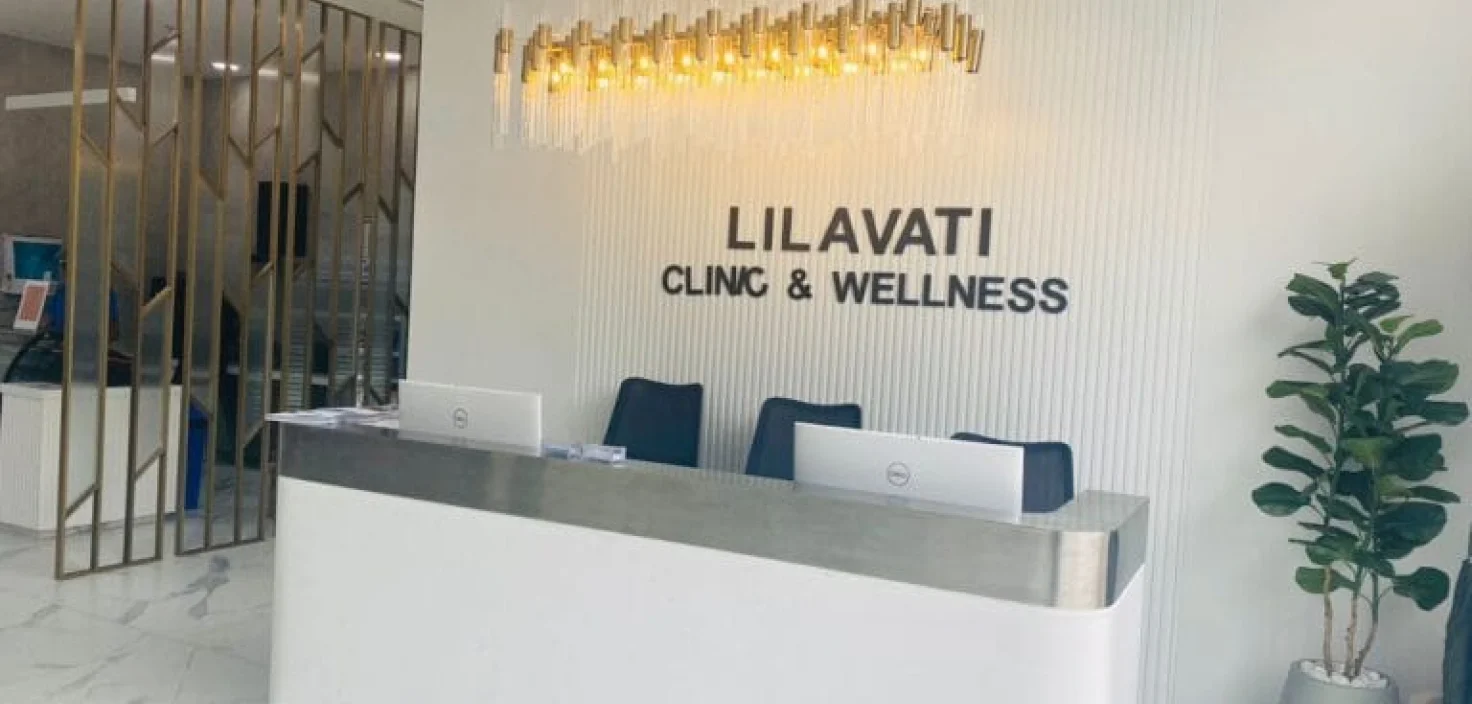
The experience
What Lilavati Says
Dr. Gunjan Desai shared how the team adapted after go-live.
The reminders changed our days; no-shows dropped from about a fifth of bookings to roughly one in eight, so specialists stopped losing slots. Training took two rounds for some of us, but the team stayed with us until it stuck.
 Dr. Gunjan Desai
Gastroenterology, General Surgeon
Dr. Gunjan Desai
Gastroenterology, General Surgeon
The clinic
The Care Setup At Lilavati Clinic
At Lilavati, diagnostics, imaging, physiotherapy and an in-house pharmacy sit alongside specialist consultations. In a single visit, a patient might see a doctor, get an investigation done, pick up a report, then use another service on the way out.
So the day only runs if teams stay in sync. The doctor needs earlier records to hand. The diagnostics team needs the exact test details. And the patient needs the prescription and report without a wait or a follow-up call.
The clinical problems
Where The Clinic Workflow Was Getting Stuck
Four recurring workflows consumed staff time each day.
-
01 – Routine Requests
After a visit, patients contacted the front desk for prescriptions, reports and follow-up details — around 120 calls a day, close to one full role spent on the phone.
-
02 – Follow-Up Calls
Staff made reminder and follow-up calls. At a 21% no-show rate, nearly one in five specialist slots stayed empty, requiring the team to rearrange the day.
-
03 – Clinical Notes
Each speciality had different documentation needs. Handwritten notes added minutes to each consult and made records harder to read across departments.
-
04 – Test Hand-Offs
Test orders moved through several teams before reaching the lab, so staff had to confirm manually that each order had been received.
The solution
The Change With Healthray
Healthray's clinic software now supports these workflows with connected digital tools.
-
01 – Patient Portal
Prescriptions and reports now reach patients through the Healthray app, reducing routine calls and visits to the front desk.
-
02 – Reminders
Automated reminders go out by WhatsApp, SMS and email, while the waitlist helps fill slots when appointments are cancelled.
-
03 – EMR Templates
AI suggestions, auto-fill and voice-to-note help doctors document care faster, with clinician review of the final record.
-
04 – Test Alerts
Orders are saved in the patient record, and the lab receives an alert as soon as a test is requested.
Implementation
Making the Shift to Healthray
Healthray's team completed three steps with the clinic before the system went live.
-
Assessment
Workflows Mapped
Healthray specialists mapped the clinic's workflows and configured each module around how teams work.
-
Migration
Records Moved
10,400 existing patient records were migrated so relevant history remained available to authorised teams.
-
Onboarding
Teams Trained
Training was tailored by role, allowing each team to practise the screens and tasks it uses.
The result
What Improved After the Shift
Lilavati Clinic reported these results in the four months after rollout.
-
2 Hours Saved Daily
Front-desk call time fell from about 3.5 hours to 1.5 hours, giving the team more time to support patients.
-
8 Points Fewer No-Shows
The no-show rate fell from 21% to 13%, helping specialists avoid unused appointment slots.
-
10,400 Records
More than 10,000 patient records are now available in speciality-specific formats.
-
50% Faster Reports
Report turnaround fell from about 26 hours to 13 hours after test orders were placed.
Before And After Healthray
| Area | Before Healthray | With Healthray |
|---|---|---|
| Scheduling | Separate appointment lists by speciality | Bookings in a single calendar |
| Registration | Patient details entered manually at the desk | Details recorded once |
| Cross-specialty care | Notes shared manually | Past notes available |
| Prescriptions | Pharmacy informed separately | Prescription sent directly to pharmacy |
| Imaging | Imaging kept apart from the visit | Imaging linked to the visit |
| Reporting | Clinic figures compiled manually | Activity visible in reports |
Is Your Centre Facing The Same Challenges?
This story will help you most if:
- Your front desk spends hours on patient queries
- Missed appointments leave slots unused
- Each speciality follows its own note format
- Staff chase test orders by phone