


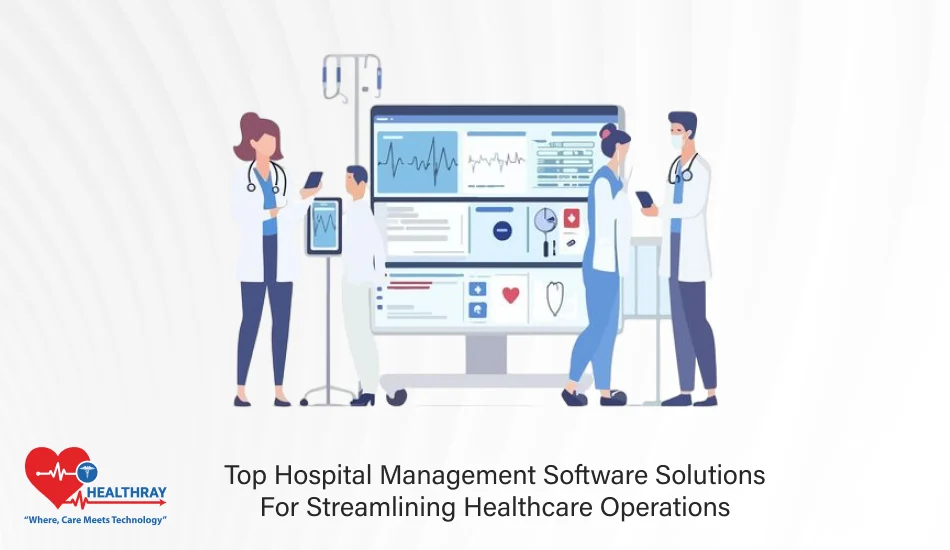
With today’s times, running a hospital encompasses more than just patient care. Lots of data are managed, ranging from patient records down to billing information; that is where HMS comes in handy. It is critical for health care administrators, IT professionals, and executives to find the right software for smoother operations in hospitals and for the improvement of resources while saving time, making patient care much more efficient.
The following guide outlines the best solutions for managing and organizing operations in multi-specialty hospitals, as well as other healthcare facilities, through a Hospital Management Software. You will learn what features make these tools effective, get a breakdown of the leading options available, and see how to choose a system that best fits your facility’s unique needs.
Let me provide additional detail on a number of features that make hospital management software so indispensable to healthcare.
Key Features of The Best Hospital Management Software Solution:
The functionality of hospital management software relies on understanding what features are integral to the smooth operations of healthcare. This is a breakdown of core capabilities every hospital management software should offer:
Patient Information Management
One of the most fundamental things a hospital management system assists with is the secure and effective management of patient information. It maintains all information regarding the medical history, treatment plans, and diagnostic reports of the patients in a centralized database. Web-based hospital management software allows for easy access to patient data by authorized users, thereby enhancing coordination of care and minimizing errors.
Appointment Scheduling and Management
Effective scheduling tools make it easy to manage appointments by hospital staff. This feature helps minimize waiting queues, enhancing the patient experience by allowing smooth scheduling, reminders, and tracking. Certain systems even extend this to online scheduling options available to the patient themselves, making things easy for all in the process.
Billing and Revenue Cycle Management
The tools for medical billing and revenue management ease the burden on financial operations through invoice automation software, claim processing, and tracking of payments. A really robust HMS system integrates with insurance providers to help the facilities handle claims faster, thereby minimizing outstanding payments. This feature is important in terms of the financial health and transparency required.
Inventory and Supply Chain Management
The list of supplies that hospitals use is endless, from pharmaceuticals to complex machines. Inventory management tools monitor the inventory of items and reorder supplies when needed. Real-time inventory levels assist the supply chain in ensuring adequate supplies for hospitals but without overstocking to reduce costs.
Reporting and Analytics
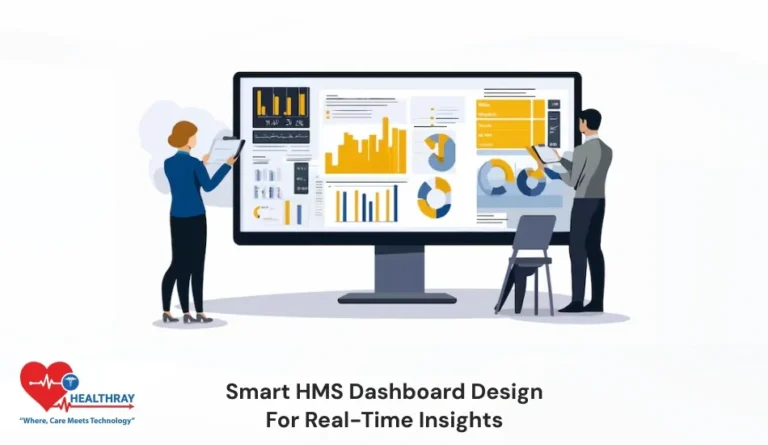
Data-driven decisions are crucial in healthcare, and analytics features support the administrator in assessing performance metrics. Whether it is patient satisfaction, financial performance, or operational efficiency, robust reporting tools permit hospitals to make informed adjustments based on real data.
Staff Management
An HMS system with staff management tools supports the hospitals in managing schedules, payroll, and general workforce planning. Good management of personnel ensures that staffing levels meet patient demand and healthcare professionals can focus on patient care rather than administrative issues.
Integration with Other Systems
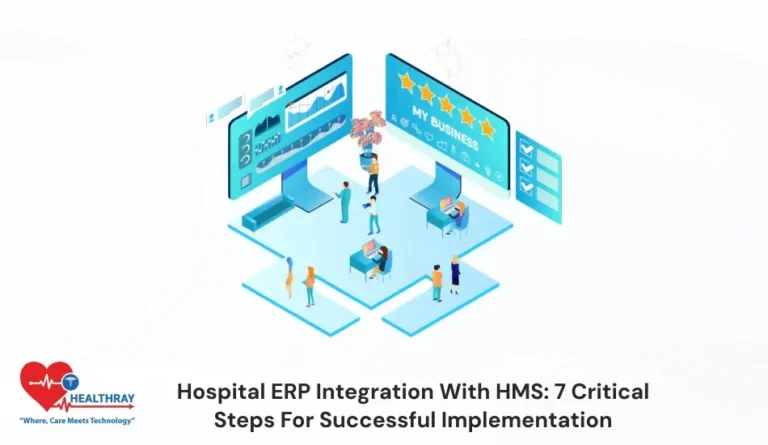
Interoperability is something that essentially any healthcare facility needs. Similarly, an effective Best Hospital Management System Software integrates effectively with other systems such as EHR systems, Laboratory Information Systems, and Pharmacy Management Systems among others. Such integration enables the unification of workflows and eliminates redundant data entry, thereby enhancing efficiency overall.
Compliance and Security Management
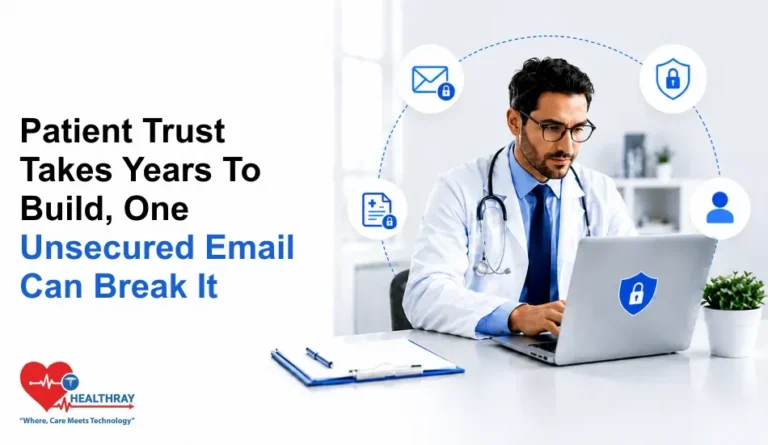
The sensitivity of the information requires protection regarding patient information within the hospital. Compliance tools in HMS systems ensure that the hospital is compliant with regulatory standards, including HIPAA, GDPR, or local data privacy laws. Pre-integrated security features, including data encryption, access controls, and audit logs, will help ensure the integrity of the patient records.
These features provide a good backbone for meeting nearly all the operational requirements of any hospital. Now, let’s take a look at some of today’s top hospital management software solutions and what they have to offer in transforming healthcare administration.
Healthray: Best Hospital Management Software Solution

Healthray is an integrated hospital management software that meets the basic needs in every health establishment. The web-based hospital management software brings a range of features together, hence becoming a great option for multispecialty hospitals that require streamlined operations. Here’s what makes Healthray stand out:
Key Features
- Patient Data Management: Healthray centralizes all the information related to patients, their records, medical history, treatment plans, and diagnostic reports. This will ensure that correct and updated patient data is easily accessible to healthcare providers for effective care and coordination among medical staff.
- Healthray supports appointment scheduling and queue management, whereby a hospital can effectively handle patient appointments. It provides the necessary tools to schedule, reschedule, and follow up on appointments, hence minimizing wait time and ensuring an efficient patient flow from the time of admission to discharge.
- Healthray simplifies the process of billing by automating invoicing, claim submissions, and follow-ups. It integrates with major insurance providers to enable quick claims processing for improved cash flow while maintaining financial record accuracy.
- Inventory Control: It helps in tracking and managing the hospital supplies in real time. Healthray provides hospitals with the ability to track the stock levels, set alerts when supplies fall low, and maintain optimal inventory by reducing waste because of overstock.
- Customizable Reporting and Analytics: Healthray’s reporting module provides actionable insights on various operational metrics, from patient satisfaction to financial performance. This data-driven approach helps administrators make informed decisions aimed at improving service delivery and operational efficiency.
- Staff Management: The system enables the facility to handle staff scheduling, track their attendance, and make payroll processing easier. This feature ensures staffing is matched according to patient needs in order to reduce administrative burdens while enhancing staff productivity.
- Compliance and Data Security: Healthray accentuates data security by ensuring sound compliance with regulatory requirements, such as HIPAA. It handles data encryption, user access, and audit logs, among other aspects related to handling patient information.
Implementation Considerations
New implementation of hospital management software is a major step, and proper planning can make a world of difference. Following are some key considerations for a seamless transition to a new HMS solution such as Healthray:
Clearly Define Objectives
Before jumping into actual implementation, healthcare administrators and executives should identify the chief goals for using such software. Do you want to streamline the process of patient scheduling? Do you want to make billing more accurate? Having set goals will, no doubt, help guide the implementation process and ensure the software has met the hospital’s needs.
Review Technical Requirements
Every hospital has different IT infrastructure; it needs to be checked whether the selected HMS Software solution would be compatible with the existing systems. Check for server requirements, network bandwidth, and hardware upgrades. A proper technical review ensures the software fits nicely with the tools in use, reducing disturbances during the implementation process.
Plan for Data Migration
When migrating from an old system to a new one, it is very important to handle patient data and administrative information with care to prevent loss of data. Even though Healthray or other HMS providers would extend their support for data migration, the hospitals must be prepared with a detailed strategy. Back up the data securely before migration and make sure that all the records have been transferred accurately into the new system.
Employee Onboarding and Training
Training of the staff will be required for the introduction of new software. Plan broad training for all users, from administrative personnel to medical staff, so that everyone can be comfortable with the system. Some HMS solutions, like Healthray, are equipped with extensive training resources, which may come in very handy in the initial days.
Testing & Pilot Runs
A pilot phase would allow the hospitals to conduct a small-scale application of the software before its full implementation. It provides an avenue for the administrators to identify bugs that may arise, issues with workflows, or areas that need adjustment. Testing ensures the system is ready to go full scale and avoids potential issues downstream.
Develop a Support Plan
It is also crucial to have ongoing support even after full implementation. Find a vendor with superior customer support either through a dedicated team or via self-help. HealthRay supports multiple modes of support: live chat, email, and user guides. These will become a lifeline during the transition to the new system for your staff.
Monitor and Optimize
Implementation does not stop once the software goes live. Continuously monitor how the software works and elicit feedback from staff on areas to improve. Periodic assessments will reveal ways to further streamline workflows so that the HMS solution stays current as the needs of the hospital evolve.
Case Studies
The establishment of such a hospital management software, such as Healthray, can bring a whole new dimension to healthcare management. Some real-world examples of hospital success stories based on Healthray are cited below, with the aforementioned outcomes achieved due to efficiency in management, patient care, and operational transparency.
easier to manage doctors’ and nurses’ schedules more effectively, reducing overtime costs.
Case Study 1: How to streamline Billing and Revenue Management in a Regional Healthcare Network.
This regional health network was operating a number of facilities, which had been experiencing inconsistency in their billings, which consequently led to delay in processing the claims, hence affecting cash flow. The network tried the integrated billing and revenue management tools that Healthray provided to enable the network to automate invoicing and speed up the processing of insurance claims.
Outcome:
Reduced Processing Cycle: The claim process was cut by 40% to enable the network to have a healthier cash flow.
Less Billing Mistakes:
With automatic billing, there were minimized billing errors; therefore, the number of claims denied and accuracy improved.
Financial Transparency:
The finance department achieved a better understanding of the revenue streams, and solutions like Emitrr further enabled strategic financial planning to a larger degree.
Case Study 2: Nationwide Data Safety and Regulations in a Government-operated Hospital.
One of the government hospitals needed to satisfy extremely strict regulatory conditions with regard to patient data protection. Healthray had good data security; it had multi-factor authentication and encryption, something that may be required by a hospital to pay attention to the local healthcare regulations.
Outcome:
Better Compliance: Healthray inbuilt compliance tools assisted the hospital to comply with the regulatory requirements and prevent fines by ensuring that patient information is secure.
Enhanced Security:
Access control features limit the access of sensitive data to the authorized individuals hence reducing chances of data leakage in a hospital.
Efficient Audits:
Audit logs by Healthray implied that the internal audits became significantly easier to the hospital; the corporation monitored their records clearly and at a single place.
Case Study 3: Managing Inventory at a Rural Hospital.
This rural hospital used to contend with a number of issues regarding shortage of inventory that impacted patient care. Healthray inventory management tools have enabled the organization to keep track of stocks, prompt reorder notifications and prevent shortages of essential drugs and equipment.
Outcome:
There were stockouts as the hospital minimized the shortage of inventories of the necessary supplies whenever they required them.
Reduced Inventory Costs:
The real-time tracking and timely reorder notifications prevented overstocking and minimized wastage and cost saving.
Greater Patient Care:
The constant replenishment of the necessary consumables enabled the hospital to improve patient outcomes in terms of delays in treatment.
These case studies provide the illustrations of the ways in which Healthray can address the numerous issues, such as the patient flow handling and adherence to the regulation in the hospitals. IT professionals, health care administrators and health care executives might gain a clearer insight of what Health ray can offer in terms of real world outcomes.
Conclusion
The correct software can be the key towards having a successful healthcare organization, not only in terms of customer satisfaction but also in terms of a healthy bottom line. The key to success among the healthcare administrators, IT professionals, and executives of the hospital, in general, is striking the right balance with the needs of the organization.
Healthray is one of other highly rated Hospital Management Systems, offering a broad array of features that seek to ensure operational efficiency, improvement of security, and quality care delivery to patients. Healthray includes patient information management and appointment scheduling as well as compliance and data security, which are major areas of healthcare administration. Real case studies provide evidence of the real-life benefits which consequently have been gained by hospitals; less time spent waiting to be served, easier billing, and increased data security.
The investment in the hospital management software should not only be regarding the introduction of new technologies, but also the creation of a platform of smooth delivery of health care in a well-organized manner. The clear goals, adequate preparation, and correct choice of software are the main steps towards assisting any hospital in overcoming the obstacles of modern health care and providing a more enjoyable experience to its employees and the patients.