


Quick Summary
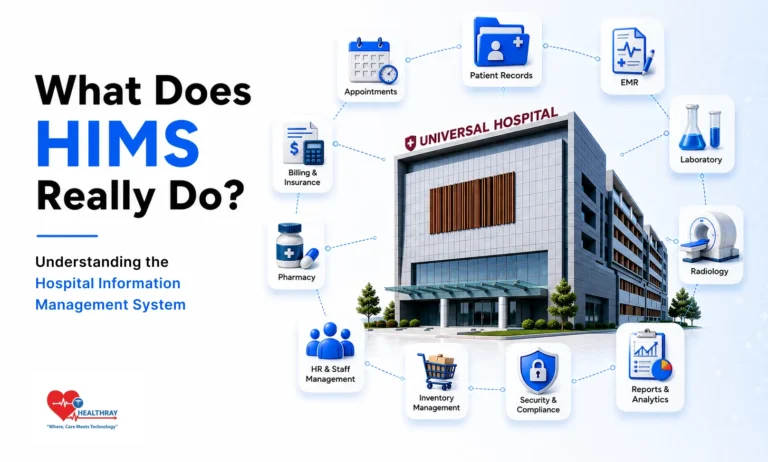
Hospitals use Hospital Information Management Systems (HIMS) to improve communication, expedite processes, and maximize patient care. To improve healthcare outcomes, these systems concentrate patient records, encourage efficiency, and enhance decision-making.
Introduction
The healthcare division produces a fantastic sum of information, which incorporates analytics from healthcare gadgets, patient data records, authoritative information, and documentation required for medical professionals, and organizational strategies. How do you handle this endless sum of information? Utilizing a hospital information management for clinics (HIS).
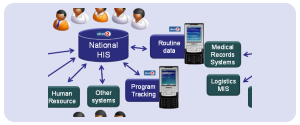
The reason for Hospital Information Management System (HIMS) and HIS frameworks is to coordinate different healthcare organizations’ frameworks and disentangle everyday operations. Hence these systems, according to Digital Guardian, include hospital operational management systems, systems that support healthcare policy decisions, and systems that gather, store, manage, and communicate patients’ electronic medical records (EMR).
A HIS framework interfaces them all, permits communication between them, and has applications in telemedicine and e-healthcare, among other zones of care. Moreover, it is the best health management information system due to its fascinating modules including data analytics, effortless captures and visit history, improved staff service, online appointments system, and easy to trace chronic conditions.
The digital hospital environment contributes to advancing clinical infrastructure, execution of healthcare services from anywhere, declining transcription errors, and the best tool for clinical decision support. Furthermore, the health information technology manages all divisions of healthcare services such as managing payment records, swiftly exchanging files across medical departments, embedded security tools, and provides remote patient monitoring.
The hospital information system merges data, categorizes automatically, and increases network with medical experts. Scheduling time for booking appointments, administering healthcare information along with confidential data, accumulating test reports, and improving clinical reports. Therefore, it assists in capturing, organizing, and analyzing precise data. Tracking information from anywhere in the world by a single digital device.
But as technology develops, so do the obligations and challenges it presents. Data needs to be safe, conveniently accessible, and organized. Moreover organizations must also comply with a number of legal standards, such as HL7 and HIPAA compliance.
What are hospital information management systems?

Hospital information management systems (HIS) is the title given to the Department of Health Informatics, which essentially addresses the clinical, monetary, and regulatory prerequisites of hospitals. These frameworks provide patients with their medical history and current status at the exact minute they require it, which makes a difference in healthcare suppliers’ way of facilitating persistent care.
Moreover in outline, HIS is made to expect a patient’s health data in a hospital setting and to handle persistent health information management centrally utilizing electronic information preparation. Without question, its objective is to provide more exact and exact healthcare services.
The healthcare information management system administers the data properly, creates a number of clinical charts, and adheres to clinical regulations. Moreover, it improves a patient’s life, creates a prescription form with a few clicks, and maintains the regulation procedure more smoothly. Additionally, it improves engagement rate, eases to applying accounting principles, and smoothens a claiming procedure.
Via the intranet, the hospital information management system is available online and covers the clinic’s related arrangements. Hence database servers are utilized to hold information about the drugs required to treat particular illnesses. In addition to electronic medical records, it arranges specialist arrangements online and keeps track of patient installments.
The parts of HIS listed below contribute to its flawless operation:
- Core Systems – This relates to the necessary daily duties and their operating requirements.
- Business/Financial Systems – This covers management and patient care information systems, including the required hardware and software.
- Communication/Networking Systems – The study examines how consulting physicians schedule their appointments.
- Department Management Systems – This relates to choices about catastrophe recovery, short- and long-term patient care decisions, and hospital management in healthcare.
- Medical Documentation Systems – This deals with legal records, accreditation, and record-keeping.
Medical Support Systems – clinical and medical patient care procedures carried out in the hospital.
Importance of hospital information management systems
Making an HIS framework brings down costs related to data administration and boosts effectiveness. Furthermore, it moves forward talent, making it more straightforward to meet the industry’s continually advancing necessities.
Simplify Procedures and Cut Expenses
The healthcare environment is made up of clinics, drug stores, clinics, pros, and other foundations that give information one of a kind to their patients and offices. In the absence of a single framework connecting these divisions, the data is scattered and of small utilization by specialists and patients. By empowering secure data sharing between healthcare suppliers, a centralized information framework ensures smooth care.
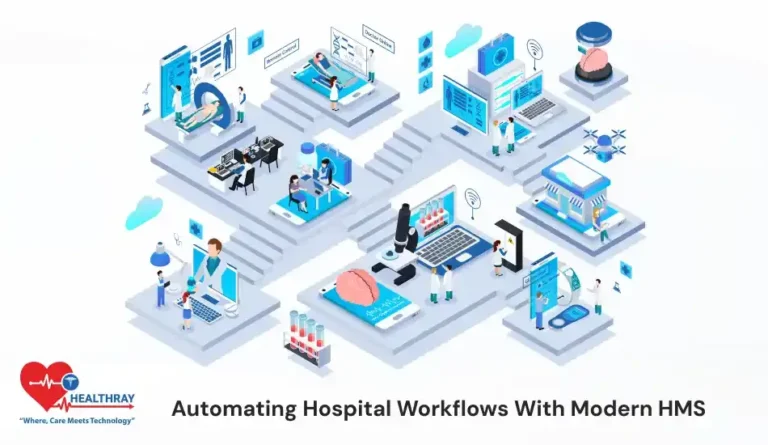
Automated clinical software reduces delay in work, increases healthcare efficiency, enhances hospital profits, and generates automated reports. Furthermore, the healthcare information system creates inventory reports, records appointment information, facilitates automatic suggestions, reduces mistakes, generates billing templates and controls healthcare finances. Therefore, it increases clinical efficiency and improves the rate of profits.
The investigation, data analysis, conclusion, and everyday persistent care are all upgraded by this connection. The cost-effectiveness of executing a HIS framework is advanced and expanded by the reality that digitization strategies reduce the costs of squandering paper items.
Control the medical records of patients.
Each clinic and healthcare supplier has to have precise, persistent records of medical records. Getting to patients’ histories and medical records in a single, centralized database is made conceivable by a comprehensive framework. Practitioners’ capacity to make exact analyses is made strides by having to get to these archives.
The biggest reason for mass adoption of the hospital information management system is the ability to record massive information, which streamlines to resolve a patient case. It improves the patient information, eases access to any document, and streamlines to seamlessly share medical information. Therefore, it augments patient experience, improves clinical efficiency, and reduces average costs.
Boost Efficiency and Service Quality
The speed at which therapeutic experts may get data improves their capacity to provide the best conceivable treatment, instantly tending to issues and cultivating positive, possibly life-saving intuition with patients.
Moreover, the hospital information system facilitates reliable storage of necessary instruments. It merges diverse medical information of patients and helps to maintain history. Efficiently administer the accounts of back office such as maintaining accounts, monitor payment information, appointment management, and patient record management.
Hospital Information Systems Integration
Computerized frameworks give integration with computer programs that, as of now, exist, giving clients access to all vital healthcare information systems and documentation in one area. It improves service delivery, provides coordinated care, perfectly resource allocation, and facilitates marvelous health care tools.
Manage chronic conditions such as blood pressure, heart attack, thyroid, and high-fever etc. Therefore, it improves healthcare service, making quick treatment decisions, and improving the health system.
Organize Calendars and Appointments
Computerized calendars rearrange and move forward the planning handle by showing accessible times, empowering further calendars to get to, letting patients book and oversee their claim arrangements, and more.
What are the features of a hospital information management system?

Appointment Scheduling And Patient Registration
The complete statistical data of patients, counting title, age, contact data, etc., is given when the clinic organization computer program is introduced. Onboarding modern patients in this way gets less demanding anytime an understanding enters with issues. Aside from the already recorded focal points, the stages included in bed assignment have progressed significantly due to online bed accessibility mindfulness. Authorized clients can rapidly allot the accessible beds based on understanding needs and budgetary constraints.
Additionally, it serves as a one-stop shop for the smooth discharge of information, charging data, and release rundowns all through the release preparation.
Inpatient Registration, Boarding And Billing
The complete statistical data of patients, counting title, age, contact data, etc., is given when the clinic organization program is introduced. Onboarding modern patients hence gets less demanding anytime a quiet enters with issues. Aside from the already recorded points of interest, the stages included in bed assignment are much-made strides by online bed accessibility mindfulness. Hence authorized clients can rapidly dole out the accessible beds based on understanding needs and budgetary constraints.
Additionally, it serves as a one-stop shop for the smooth discharge of information, charging data, and release rundowns all through the release process. The future-ready framework rearranges each viewpoint of the trade, counting the cost of the hospital growth, the rooms and the surgery.
MIS reports over offices are much better off being digitized than done by hand. It still bolsters the programmed alarming framework for past-due installments. Moreover when patients intentionally give protection to medical aid companies with their claim truths, it moreover means their strengthening.
Outpatient Payment Alerts And Process Management
Since the framework serves both IPD and OPD patients, it can effortlessly adjust to meet the needs of OPD patients. It ensures the convenient conveyance of all medicine drugs, tests, and reports for OPD patients. In expansion, it recognizes that convenient installment cautions must be sent.
Consultation Management
The Clinic Administration System’s highlights encourage the interview administration component. A persistent person, as it were, needs to tap a few times to plan an arrangement with a specialist. This advanced entry can give an assortment of pros for patients with viral fever or dry hacks. Hence patients can promptly get in contact with any of them, from dental specialists to urologists.
Digital Imaging And Diagnostics Management
Fast rearrangements of the symptomatic and imaging forms are conceivable. It comprehends each kind of lab report. Hence the company makes the solid back accessible to manage appointments, billing, and diagnostic results for specialties ranging from radiology to pathology.
Vital Tracking And Management
Crucial administration is imperative; subsequently, a clinic administration framework boosts its administration capacity and makes security less demanding. Moreover with the assistance of this reliable clinic administration framework, dealing with test collection, test following, and the test results and result dispersion is easy.
Intuitive And Useful Patient Portal
You may monitor whether your patients are adhering to all prescriptions, tests, and other procedures when you communicate with them through a portal. Providers can notify patients about planned tests or long-overdue check-ups with this user-friendly option.
Staff Interaction And Collaboration
Your group can wrap up a parcel of work much appreciated by the next-generation HMS. Best-in-class highlights that offer assistance to clients who perform well make it all conceivable. With real-time knowledge, cautions, and notices, you can take advantage of new openings and get freed of wasteful aspects and redundancies, empowering you to accomplish your objectives.
Workforce Management
In a hospital or clinic, a solid system needs to streamline settling claims, which is an essential task.The integration of claims management functionalities into hospital management systems has advanced significantly in many cases. Hence this functionality automates the complete claim management documentation process. It makes it possible for authorized users to attain efficiency and accuracy, which is crucial for lowering errors and expenses.
Lab Management
This module works best in laboratories. After setting up the HMS, the capability to manage all records and analyze reports continues to grow.
It’s excellent how it keeps track of reports and complies with testing specifications.
Through a system, it gives IPD and OPD patients the ability to create their bills in addition to receiving them. Furthermore, patients can feel at ease utilizing this function of the hospital management system since it allows one to verify the legitimacy of the panel.
Pharmacy And Store Management
The efficient administration of drugstores is in coordination to this subject. It is in connection to your billing counter, which promotes openness. Therefore this module has patient’s health information whose primary purpose is to monitor the effectiveness of the drug delivery process. Alternatively, if there are issues, it provides users with previously hidden information.
The most significant assistance is necessary when it comes to managing medications obtained from pharmaceutical companies, wholesalers, etc. We are taking care of every item and are currently reordering levels. Based on the notifications and alerts on arriving and outgoing stock, you can decide.
Prescription Renewals And Cancellations
The system enables a doctor to issue new prescriptions and cancel ones with expiry. It also guarantees that there aren’t any lengthy procedures in renewing a doctor’s prescription for a patient. Moreover they can click the gateway and request a renewal.
Try the best Hospital Information Management Systems With Healthray!
Experience the ultimate in Hospital Information Management Systems (HIMS) with Healthray, which is transforming hospital administration with state-of-the-art technology and unmatched effectiveness. In order to satisfy the complex needs of contemporary healthcare facilities, Hence Healthray provides a full range of solutions.
All departments may seamlessly link with our HMIS Software platform, which improves communication, streamlines workflows, and maximizes patient care. Healthray makes sure everything runs well at every stage, from admission to discharge, freeing the medical staff to concentrate on what really matters: the health of their patients.
Moreover hospitals can securely manage patient records, get real-time data insights, and support well-informed decision-making with Healthray. Our robust system centralizes data, removing duplication and reducing mistakes, improving patient safety and happiness in the process.
Furthermore, Healthray places a high priority on interoperability, which facilitates smooth data interchange with other systems and encourages cooperation amongst healthcare networks. Our flexible features and easy-to-use interface provide scalability to a wide range of healthcare situations, enabling organizations of all sizes to maximize their operational efficiency.
With Healthray, your healthcare organization can experience the healthcare management of the future. It’s a place where innovation and dependability coexist, and excellence becomes the norm. Countless healthcare practitioners across the globe rely on Healthray. Hence it helps boost productivity, improve patient outcomes, and propel success in the constantly changing healthcare industry. To realize the full potential of your healthcare facility, give Healthray a try now.
Conclusion
Hospital health information systems and management systems need to be adaptable to the rapid advancement of technology. The hospital information system requires data to be accurately and securely stored. Hence it ensures dependability in its use. It permits fast and straightforward access to data while blocking unauthorized access under specific conditions.
A hospital’s information management system, or HIMS, is necessary for providing contemporary healthcare. It can increase overall care quality, decrease medical errors, and improve patient outcomes. Moreover by providing a single platform, it helps hospitals to improve communication, automate repetitive tasks, and manage their operations.